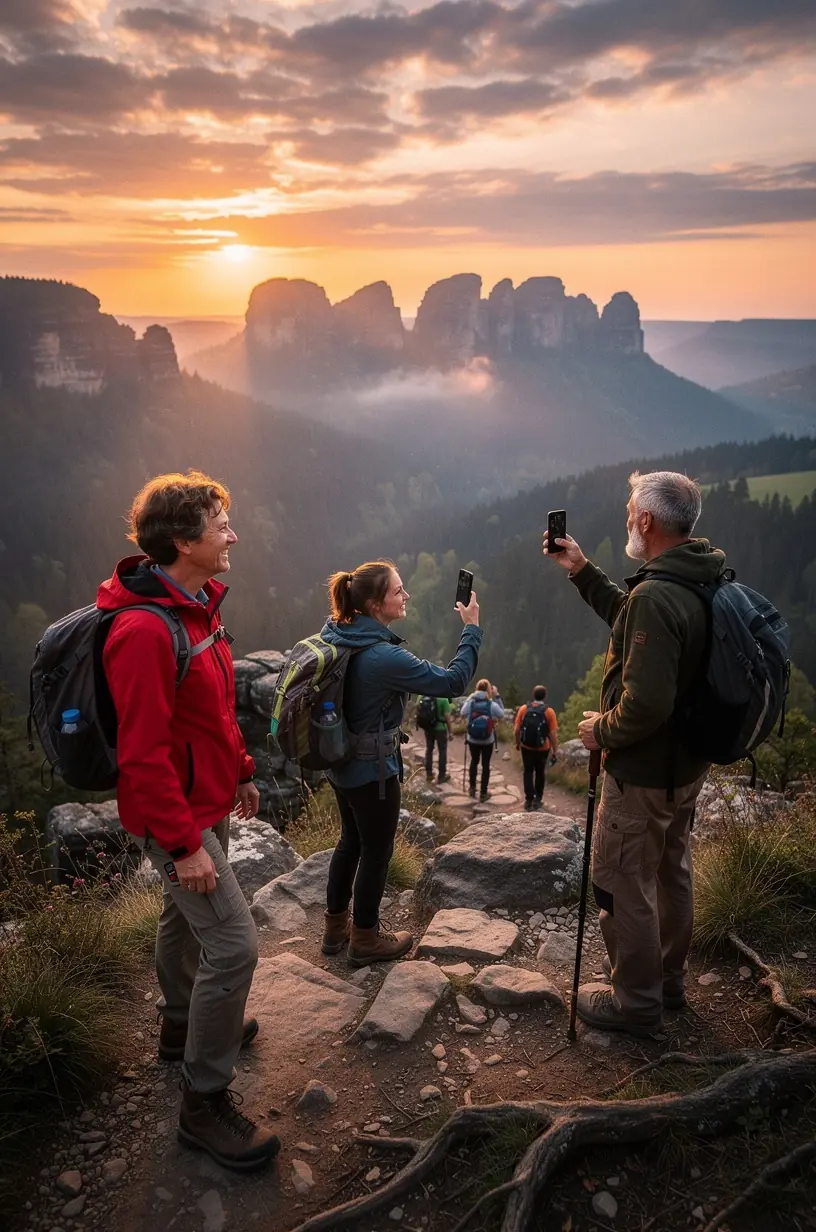
The Importance of Wildlife Conservation in Outdoor Activities
Engaging in outdoor activities such as walking, cycling, and light tourism offers numerous benefits, not only for individuals but also for the environment. However, the importance of wildlife conservation in these activities is often overlooked. Understanding the connection between our outdoor pursuits and the preservation of wildlife can enhance our experiences and ensure the sustainability of our natural spaces.
Understanding the Basics of Wildlife Conservation
Wildlife conservation refers to the practice of protecting animal species and their habitats. This is crucial because biodiversity contributes to the health of ecosystems, which in turn supports recreational activities. According to research conducted by the World Wildlife Fund, areas with rich biodiversity often provide improved recreational opportunities and enhanced experiences for outdoor enthusiasts.
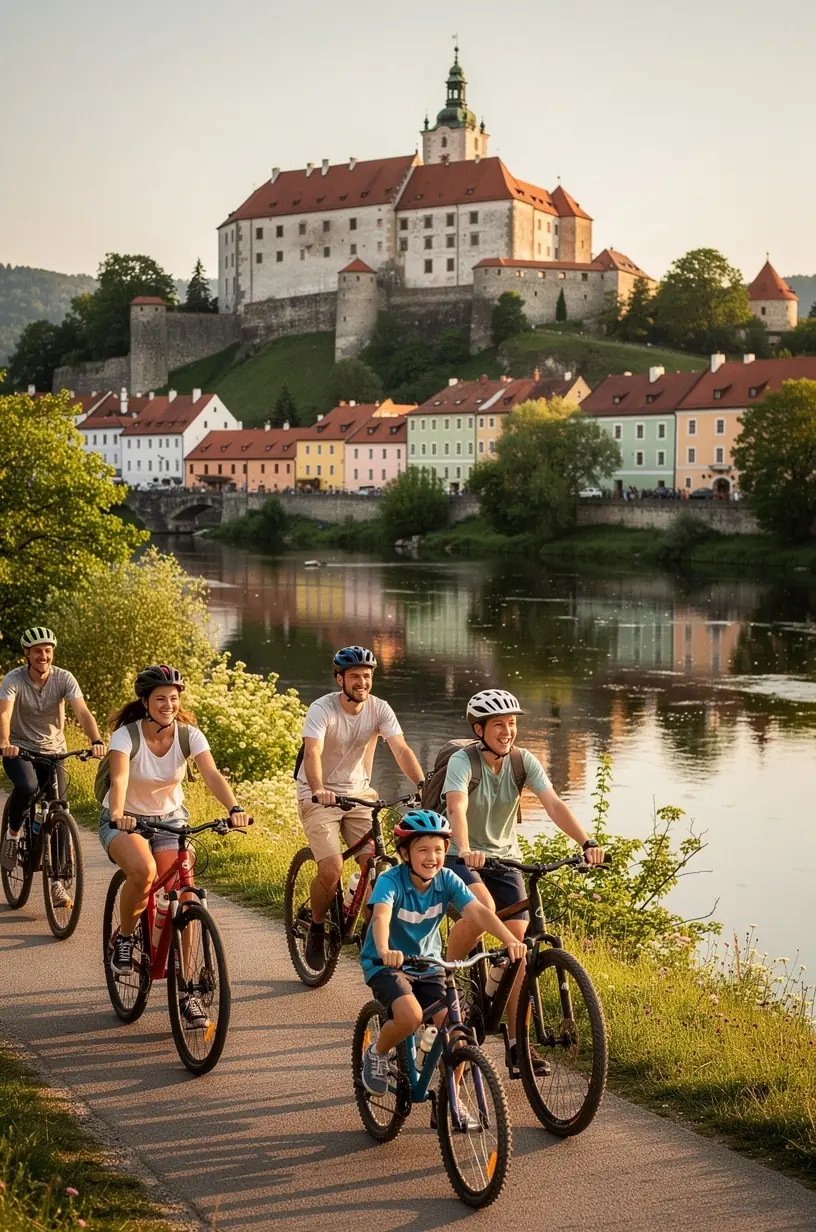
"Conservation efforts ensure that future generations can enjoy the natural beauty and biodiversity of our planet." - Environmental Expert
How Outdoor Activities Benefit from Wildlife Conservation
Participating in outdoor activities while respecting wildlife and their habitats creates a reciprocal relationship that benefits both nature and individuals. Here are several ways in which wildlife conservation positively impacts outdoor activities:
- Enhanced Experiences: Engaging in wildlife-friendly practices, such as maintaining trails or participating in local conservation efforts, can lead to more enriching experiences. Studies indicate that those who actively contribute to conservation often report a greater sense of connection to nature.
- Sustainable Tourism: Light tourism that prioritizes wildlife conservation can stimulate local economies. Research shows that eco-tourism can increase community income while ensuring the protection of natural resources.
- Preservation of Biodiversity: Cycling and walking routes that are designed with wildlife in mind help maintain critical habitats. This is vital because many species are reliant on specific ecosystems, and their loss can diminish the overall quality of outdoor experiences.
Challenges and Considerations
While many outdoor activities can be beneficial to conservation efforts, it is important to acknowledge some challenges:
- Outdoor enthusiasts must be aware of their impact on local wildlife. Activities such as off-trail hiking can disturb habitats.
- Effective conservation requires collaboration among local communities, tourists, and conservationists. This often involves time and effort to develop sustainable practices.
- Not all outdoor activities are suitable for every location. Engaging in activities that disturb wildlife can lead to negative outcomes for both the environment and the user experience.
Conclusion
Wildlife conservation plays a vital role in our enjoyment and engagement with outdoor activities. By understanding the importance of preserving natural habitats and the species that inhabit them, we can foster a more sustainable approach to recreation. Efforts to protect wildlife not only ensure the longevity of our beloved outdoor spaces but also enhance our experiences in nature.
As we venture into the great outdoors, let us remember that our actions can either contribute to or detract from the conservation of wildlife. By making responsible choices, we can enjoy our activities while also safeguarding the natural world for future generations.