Exploring the Role of Parks in Urban Wellness
Parks play a vital role in enhancing urban wellness, providing residents with spaces for recreation, relaxation, and connection to nature. This article delves into how parks contribute to physical and mental well-being, particularly in urban environments like those found in the Czech Republic.
Understanding the Benefits of Urban Parks
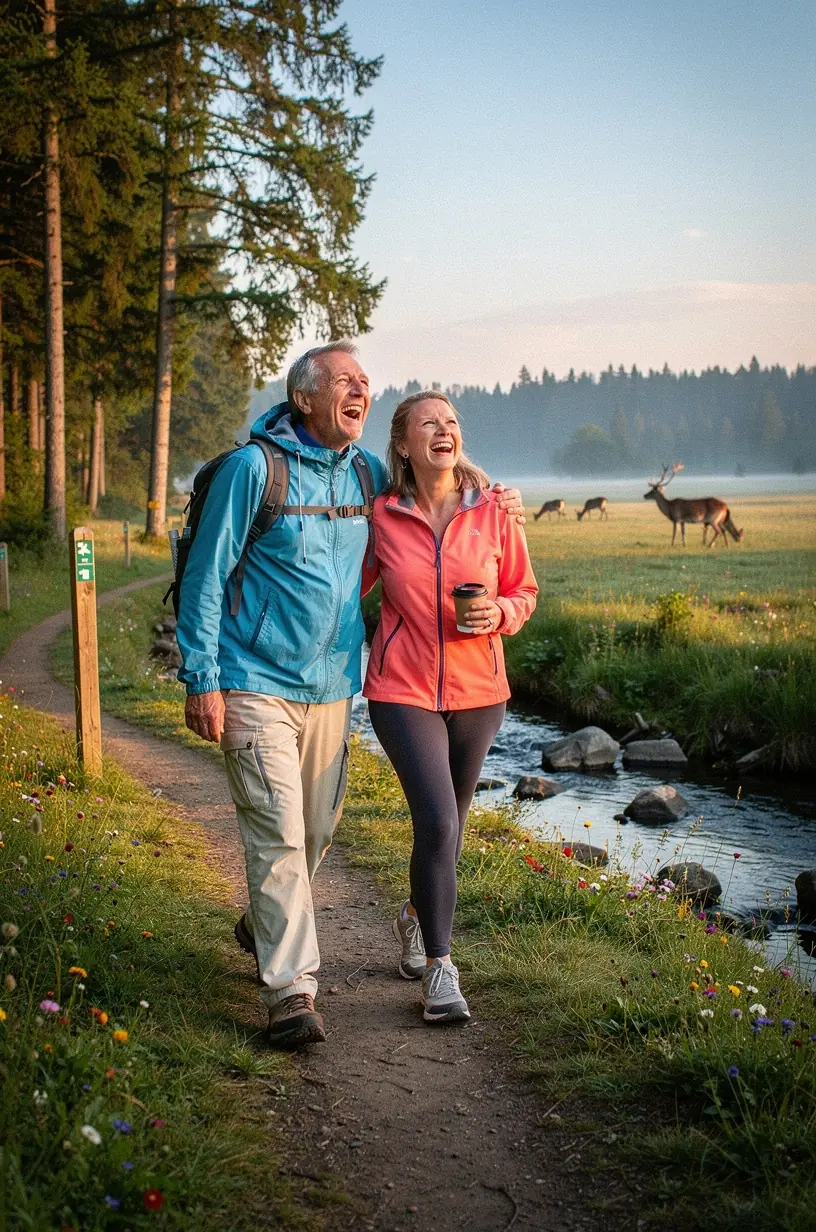
Research indicates that access to green spaces can significantly improve mental health. A study published in Environmental Science & Technology found that individuals living near parks reported lower stress levels and improved mood. The principle behind this is rooted in the biophilia hypothesis, which suggests that humans have an innate connection to nature, leading to positive health outcomes when we engage with green environments.
"Urban parks are essential for enhancing community well-being and fostering social interactions among residents." - Urban Green Spaces Association
Physical Activity and Community Engagement
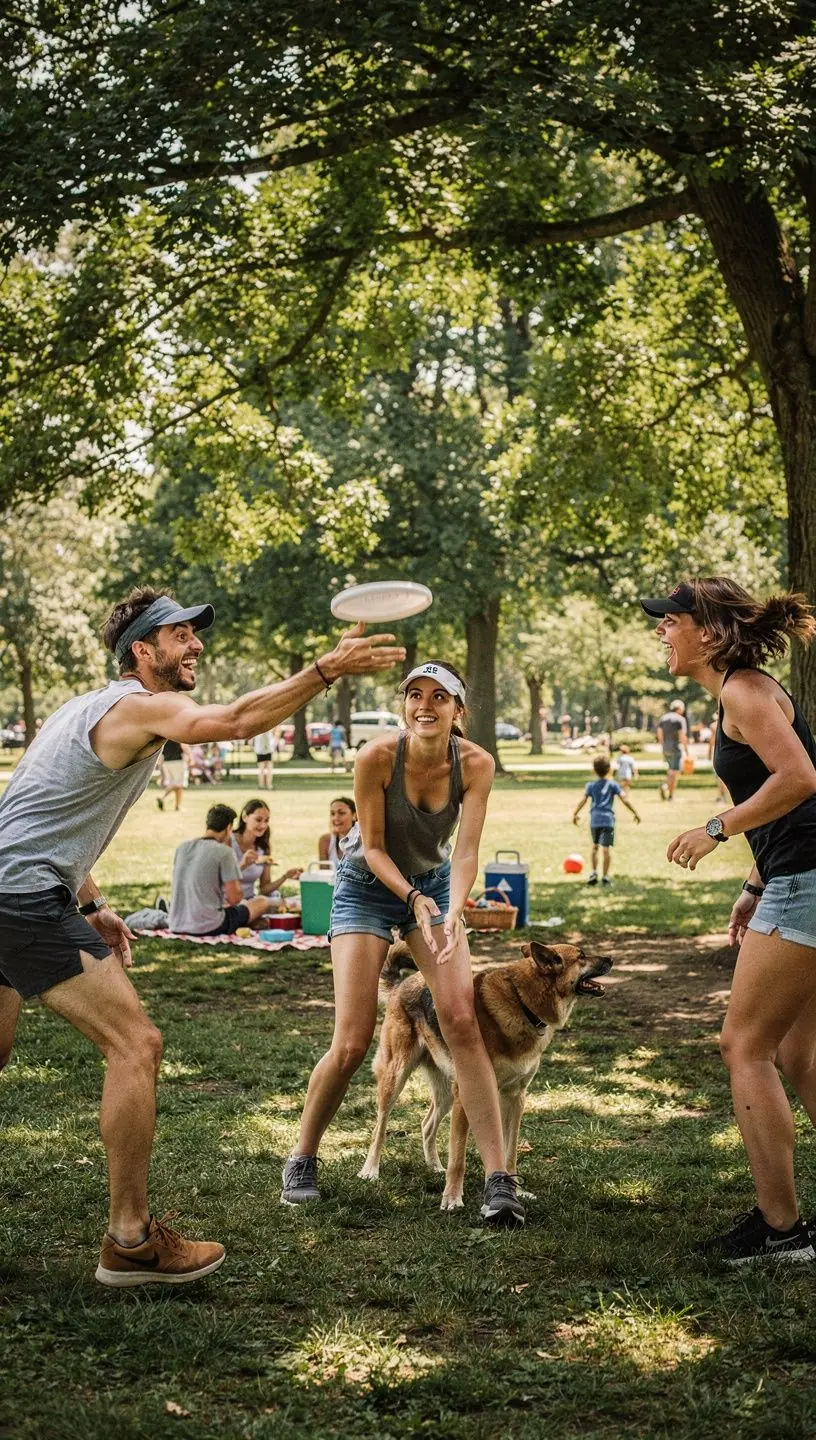
Active lifestyles are often promoted in urban parks, where facilities for walking, cycling, and recreational sports are typically available. According to the World Health Organization, engaging in physical activity can reduce the risk of chronic diseases and improve overall health. Parks serve as accessible venues for exercise, which is crucial in densely populated areas where private green spaces are limited.
How Parks Facilitate Physical Activity
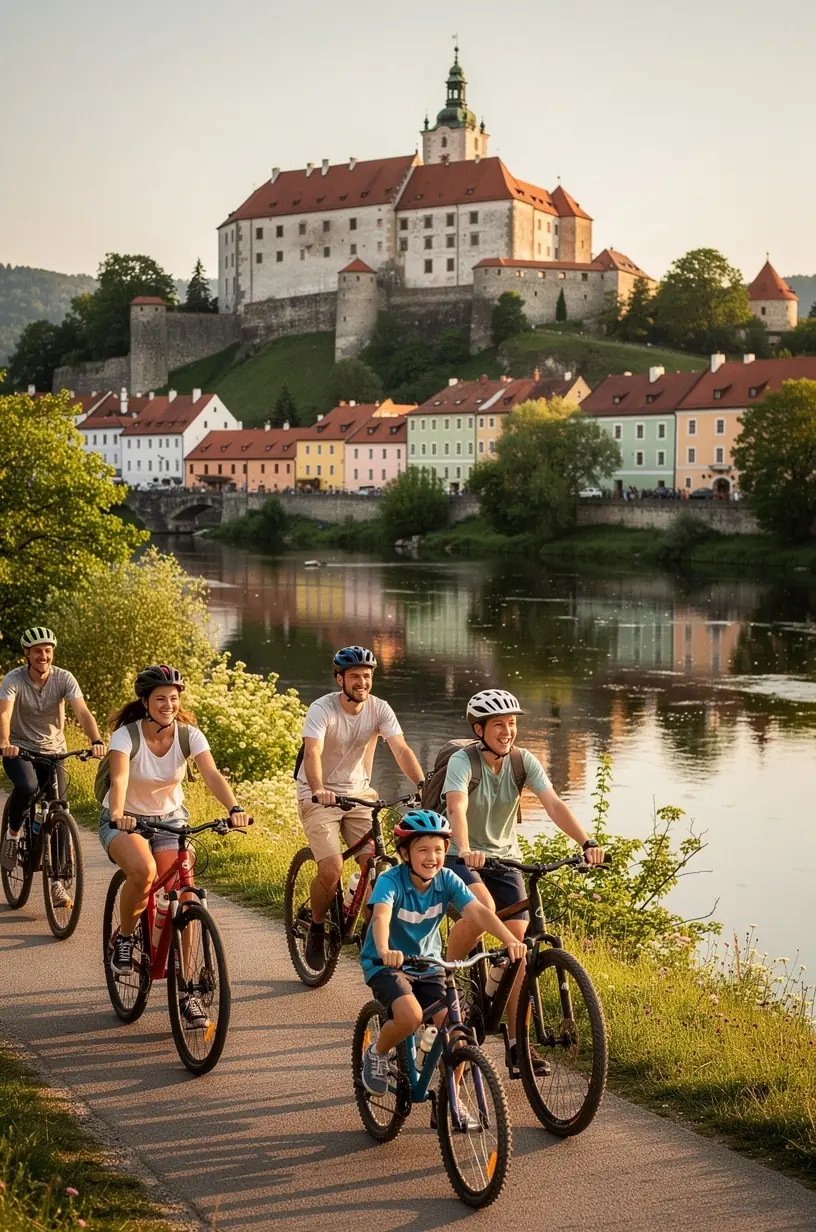
- Parks often feature walking and cycling paths, encouraging residents to engage in regular physical activity.
- Facilities for sports, such as basketball courts and soccer fields, facilitate community engagement and team sports, which can foster social connections.
- Studies show that individuals who live within a 10-minute walk of a park are more likely to meet recommended activity levels.
Creating a Sense of Community
Parks not only promote individual health but also enhance community cohesion. Events such as outdoor movie nights, farmers' markets, and seasonal festivals can bring people together, fostering social ties. Experts recommend creating spaces that encourage interaction, as strong community bonds are linked to improved mental health and reduced feelings of isolation.
Key Factors for Successful Park Engagement
- Inclusivity: Parks should be designed to cater to all age groups and abilities, making them welcoming for everyone.
- Accessibility: Well-connected parks ensure that all residents can easily reach these green spaces.
- Programming: Regular community events can enhance engagement and keep residents active and connected.
Challenges and Considerations
While parks offer numerous benefits, it's important to acknowledge the challenges associated with them. Factors such as maintenance costs, safety concerns, and environmental impacts all play a role in how parks are utilized. Additionally, achieving a balance between development and conservation is often a challenge for urban planners.
Realistic Expectations for Park Use
- Effective park use typically requires ongoing community engagement and investment in facilities.
- Results from community programs may take time to manifest, often needing several months to establish a routine.
- Active participation from local governments and organizations is crucial for long-term success.
Conclusion
Parks play a crucial role in urban wellness, influencing both physical health and community dynamics. By providing spaces for physical activity and social interaction, they contribute to a healthier, more connected populace. Prioritizing the development and maintenance of these green spaces can lead to significant improvements in public health and well-being in urban areas across the Czech Republic.